The Evolution of Tutu Stores
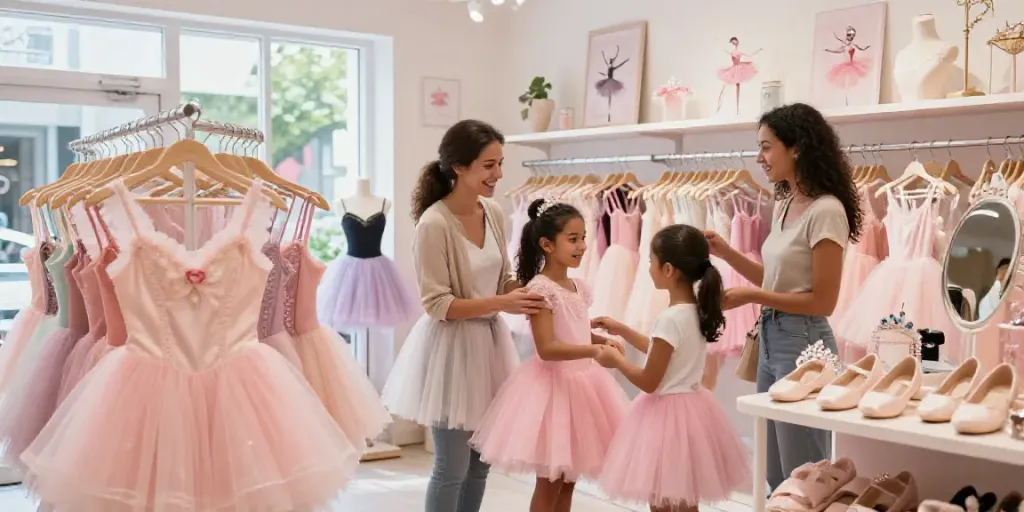
The world of dancewear has experienced remarkable transformations over the decades, with tutu stores at the forefront of this evolution. These specialized boutiques have not only catered to the needs of dancers but have also become a vital part of the broader fashion landscape. The emergence of tutu store offerings illustrates a response to both artistic demands and changing consumer preferences, showcasing an array of products that go beyond traditional ballet attire.
The History of Ballet Costumes
The tutu itself has a storied history, evolving from its early days as a practical garment for ballet dancers to a fashion statement in its own right. Originating in the 19th century, the tutu was designed to allow for greater freedom of movement. Traditionally made of tulle, the garment has adapted through the years, incorporating various fabrics, styles, and embellishments that reflect the trends of each era.
In the mid-20th century, ballerinas like Maria Tallchief and Margot Fonteyn began to popularize more intricate designs, integrating lavish fabrics and detailed craftsmanship. Today’s tutu stores reflect this heritage, offering a range of options from classic designs to modern interpretations. These adaptations ensure that both performance and aesthetic appeal are maintained, allowing dancers to express themselves fully.
Emerging Trends in Tutu Design
As we progress into 2026, emerging trends in tutu design emphasize personalization and versatility. Many tutu stores are beginning to offer customizable options, enabling customers to select colors, fabrics, and embellishments that resonate with their unique style. Furthermore, the blending of traditional ballet aesthetics with contemporary fashion trends has led to the creation of tutus that double as statement pieces for various occasions.
Additionally, we are seeing a rise in the use of sustainable materials, reflecting broader societal trends toward environmental consciousness. Consumers are increasingly seeking out eco-friendly options, prompting stores to diversify their inventory. These trends not only cater to consumer preferences but also influence how tutu stores position themselves in the marketplace.
How Customer Preferences are Shifting
Understanding customer preferences is essential for the success of a tutu store. Recent surveys indicate a notable shift towards online shopping, especially among younger consumers who value convenience and accessibility. Shoppers are also increasingly aware of brand ethics, seeking retailers that align with their personal values regarding sustainability and quality.
Moreover, customer pain points such as sizing inconsistencies and the quality of materials used in tutus are prevalent. Tutu stores are addressing these concerns by implementing size guides, detailed fabric descriptions, and transparent return policies. This proactive approach not only enhances customer satisfaction but also builds brand loyalty, essential for long-term success in an increasingly competitive market.
Understanding Your Audience
Demographics of Tutu Store Shoppers
The demographic profile of tutu store shoppers is diverse, encompassing young children, teenagers, and adult dancers alike. Research indicates that parents often take the lead in purchases for their children, while adult dancers tend to have specific requirements based on their performance needs. This variety necessitates an in-depth understanding of each segment to tailor the shopping experience effectively.
Identifying Key Customer Pain Points
To build a loyal customer base, tutu stores must identify and address key pain points. Common issues include unavailability of sizes, insufficient product information, and difficulty in navigating online stores. By engaging with customers through feedback forms, surveys, and social media interactions, stores can gain insights into their expectations and challenges, leading to improved services and offerings.
Creating a Personalized Shopping Experience
Personalization is becoming increasingly important in retail, including within tutu stores. Utilizing data analytics, businesses can create tailored recommendations based on previous purchases and browsing behaviors. For example, when a customer buys a tutu for their child, they can receive suggestions for matching accessories or complementary dancewear. This level of personalization not only enhances the shopping experience but also increases the likelihood of repeat purchases.
Best Practices for Managing Inventory
Seasonal Tutu Collections and Sales
Effective inventory management is crucial for tutu stores, especially given the seasonality of dancewear demand. Many retailers introduce seasonal collections that align with dance recitals, competitions, and holiday events. By forecasting trends and sales patterns, stores can optimize their inventory levels, reducing overstock and ensuring that popular items are readily available for customers.
Supplier Relationships for Quality Control
Establishing strong relationships with suppliers is vital for maintaining the quality of products offered in tutu stores. Regular communication and collaboration can lead to better pricing, prioritized stock during peak seasons, and access to the latest trends in materials. Furthermore, conducting quality checks on incoming stock helps ensure that customers receive the best products, enhancing overall satisfaction and brand reputation.
Effective Inventory Management Techniques
Adopting various inventory management techniques can significantly improve efficiency for tutu stores. Tools such as inventory management software can provide real-time data on stock levels, sales trends, and customer preferences. Implementing a just-in-time inventory system can also minimize holding costs and increase turnover rates, allowing retailers to respond swiftly to changing market demands.
Marketing Strategies for Tutu Stores
Leveraging Social Media for Engagement
Social media platforms are invaluable tools for tutu stores aiming to connect with their audiences. Engaging content, such as dance tutorials, styling tips, and behind-the-scenes peeks into the art of tutu-making, can attract followers and build community. Additionally, utilizing platforms like Instagram and TikTok allows stores to showcase their products visually, tapping into the aspirational nature of dance culture.
Email Marketing Campaigns that Work
Email marketing remains a powerful strategy for retaining customers. By segmenting email lists based on customer preferences and behaviors, stores can send personalized newsletters featuring promotions, new arrivals, and exclusive content. Implementing loyalty programs communicated through email can also incentivize repeat business, fostering a sense of belonging among customers.
Collaborating with Influencers in the Dance Community
Forming partnerships with influencers in the dance community can significantly enhance brand visibility. By collaborating with dancers, choreographers, and dance educators, tutu stores can reach targeted audiences effectively. These influencers can provide authentic testimonials and showcase the products in action, creating a stronger connection with potential customers.
Future Trends in Tutu Retail
Technology’s Impact on Tutu Shopping
As we look to the future, technology's influence on tutu shopping will continue to grow. The rise of augmented reality (AR) and virtual reality (VR) technologies offers potential for retailers to create immersive shopping experiences. Customers could virtually try on tutus or see how a skirt looks in motion before making a purchase, thereby enhancing customer confidence and satisfaction.
Eco-Friendly and Sustainable Practices
With increasing awareness surrounding environmental issues, tutu stores are likely to prioritize eco-friendly practices. This trend is already emerging, with brands using recycled materials and sustainable production methods. Educating customers about these practices through storytelling can further enhance brand loyalty and appeal to environmentally conscious consumers.
Predictions for the Tutu Market by 2026
By 2026, we can expect significant changes in the tutu market. The integration of innovative materials, advancements in fabric technology, and a greater emphasis on inclusivity in sizing will likely shape the landscape. Additionally, the growth of online shopping will push retailers to enhance their digital platforms, ensuring that the customer experience remains seamless and engaging. Whether in-store or online, the future of tutu retail is bright, with endless possibilities for creativity and growth.
What types of tutus are popular for children?
Currently, popular tutu styles for children include classic layered tutus, glittered options for special occasions, and themed tutus designed for events like Halloween and birthdays. Comfort and ease of wear remain paramount, influencing design choices.
How can I choose the right size tutu?
Choosing the right size tutu typically requires measuring the waist and considering the style of the tutu. Most tutu stores provide detailed sizing charts to guide parents in selecting the perfect fit for their little dancers.
Are there eco-friendly options available in tutu stores?
Yes, many tutu stores are beginning to offer eco-friendly options, utilizing sustainable materials and practices to appeal to environmentally conscious consumers. Look for certifications or labels indicating that products meet specific environmental standards.
What accessories complement a tutu purchase?
Accessories such as leotards, ballet shoes, leg warmers, and hairpieces complement tutu purchases effectively. Many tutu stores offer curated accessory sets to simplify the shopping experience for customers.
How to care for and maintain tutus?
To care for and maintain tutus, it’s essential to follow washing instructions specific to the fabric. Generally, gentle hand washing and air drying are recommended to preserve the shape and quality of the tutu. Regular fluffing can also help maintain its volume.