The Evolution of Automatic Bagging Machines
Since their inception, automatic bagging machines have transformed the packaging landscape across various industries. As a vital component of the manufacturing and distribution processes, these machines have evolved significantly to meet the changing demands of efficiency, speed, and precision. Automatic bagging systems, equipped with advanced technology, not only enhance productivity but also minimize human error, making them indispensable for businesses. Today, exploring options from reputable automatic bagging machine manufacturers can reveal innovative solutions tailored to specific industry needs.
History and Development of Automatic Bagging Technology
The journey of automatic bagging technology began in the early 20th century when manual bagging methods dominated the packing process. These early systems were labor-intensive and often prone to errors. As the industrial revolution unfolded, manufacturers sought automation to increase output and reduce costs. The 1950s and 1960s marked a pivotal moment with the introduction of basic form-fill-seal (FFS) machines, which transformed packaging processes by automating the creation and sealing of bags.
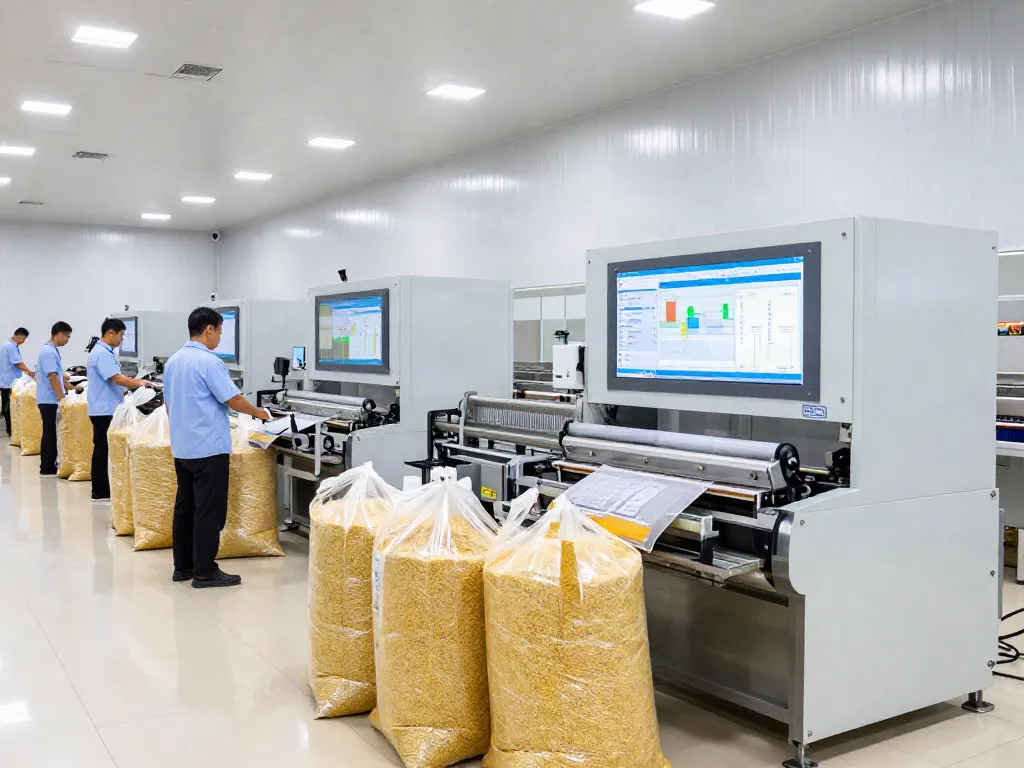
Over the years, advancements in technology have led to the development of sophisticated automatic bagging machines. Modern versions are now equipped with sensors for product detection, automated bag placement, filling, and sealing mechanisms. These machines can handle a myriad of bag types, from polyethylene to paper, and cater to various products, enhancing versatility and application scope.
Current Trends in Automation and Efficiency
The push towards automation is driven by industries looking for ways to streamline operations. Current trends highlight increased integration of smart technologies, such as IoT (Internet of Things) capabilities, allowing machines to communicate data in real-time. This integration enhances oversight, aids in predictive maintenance, and ultimately boosts operational efficiency. Moreover, manufacturers are focusing on modular machine designs that provide flexibility and scalability to adjust to shifting production demands.
Comparative Analysis of Industry Innovations
As various players enter the automatic bagging machine market, innovation has become a key differentiator. Some manufacturers are investing in artificial intelligence (AI) to optimize performance, enabling machines to learn from previous operations and adjust settings for improved accuracy and reduced waste. Others are focusing on energy efficiency, adopting technologies that minimize power consumption during operation. By conducting a comparative analysis of these innovations, businesses can identify which features align best with their production needs, ensuring they stay competitive in their respective markets.
Key Features of Cutting-Edge Bagging Machines
When considering automatic bagging machines, it's crucial to understand the key features that define their performance and efficiency. Modern bagging machines boast a range of capabilities designed to enhance productivity and accommodate diverse packaging formats.
Automation Capabilities and User Interfaces
The hallmark of advanced bagging equipment lies in its automation capabilities. From high-speed bag filling to automatic sealing, these machines are engineered to operate with minimal human intervention. User interfaces have become increasingly intuitive, often featuring touchscreen controls that allow operators to adjust settings easily and monitor operations in real-time. This user-friendliness mitigates training time and enhances operational efficiency.
Customizability for Various Product Types
One of the significant advantages of modern automatic bagging machines is their customizability. Manufacturers can tailor machines to handle a variety of product types, including powders, granules, and liquids. This flexibility ensures that businesses can package products as small as tea leaves or as hefty as bulk grains without changing the machinery.
Energy Efficiency and Cost-Effectiveness
Energy efficiency has become increasingly important with rising operational costs. Cutting-edge automatic bagging machines are engineered to consume less energy while maintaining high output levels. Features such as variable speed drives and energy-efficient motors minimize overall energy consumption. This cost-effectiveness doesn't just benefit the bottom line; it also aligns with sustainable business practices that many companies prioritize today.
Industries Benefiting from Automatic Bagging Machines
Numerous industries have embraced automatic bagging machines as essential components in their packaging processes. The adaptability and efficiency of these machines make them invaluable across different sectors.
Food and Beverage Sector Innovations
In the food and beverage industry, automatic bagging machines ensure that products are packaged quickly and securely while complying with safety standards. Innovations include modified atmosphere packaging (MAP) systems that help preserve freshness. Whether packaging snacks, grains, or liquids, these machines maintain product integrity while enhancing throughput.
Pharmaceutical and Consumer Goods Applications
The pharmaceutical sector requires stringent compliance with packaging regulations. Automatic bagging machines designed for this industry offer precise dosing and secure sealing to protect against contamination. For consumer goods, the versatility of these machines allows for customized branding solutions on packaging, appealing to consumer preferences and enhancing market presence.
Textile and Industrial Product Packaging
Automatic bagging machines are also employed in the textile industry, packaging everything from garments to bulk fibers. In industrial applications, they efficiently pack products like screws, bolts, and tools in predefined quantities. This accuracy and efficiency minimize waste and streamline inventory management.
Challenges in Selecting the Right Bagging Equipment
While the benefits of automatic bagging machines are clear, selecting the right equipment can be challenging. Businesses must carefully consider several factors before making a purchase.
Understanding Your Production Needs
Understanding production needs is fundamental when choosing bagging equipment. Businesses must assess their product types, production volumes, and specific packaging requirements. These factors will dictate the style of automatic bagging machine best suited to their operations.
Common Misconceptions About Automation
Many industry players harbor misconceptions about automation, particularly regarding costs and complexity. While initial investments in automatic bagging machines can be significant, the long-term savings in labor costs and increased production often justify the expense. Additionally, modern machines are far more user-friendly than earlier models, making transition processes smoother.
Evaluating Quality and Reliability of Manufacturers
Evaluating potential manufacturers is a critical step. Businesses should consider the manufacturer's reputation, customer service, and the quality of the machines provided. Conducting thorough research and drawing comparisons between different automatic bagging machine manufacturers can help in making an informed decision.
Future Predictions for Automatic Bagging Manufacturers
As we look ahead, several trends and technologies are poised to shape the future of automatic bagging manufacturers and the packaging industry as a whole.
Emerging Technologies Shaping Packaging Solutions
Emerging technologies, such as robotics and machine learning, are likely to play significant roles in enhancing automatic bagging machines. Robotics can automate more complex tasks, increasing speed and precision, while machine learning algorithms can analyze data to improve operational efficiency.
Impact of Sustainability on Packaging Machinery
Sustainability is becoming increasingly crucial for manufacturers as consumers demand eco-friendly packaging solutions. Automatic bagging machines are being designed with sustainability in mind, utilizing recyclable materials and minimizing waste during the packaging process. This trend is expected to accelerate as regulations surrounding packaging waste become more stringent.
Long-term Projections for the Industry Landscape
The landscape of the automatic bagging machine industry is expected to evolve with increased competition and innovation. As consumer preferences shift toward customization and speed in production, manufacturers will need to adapt promptly. Companies that invest in research and development and stay ahead of technological advances will likely emerge as market leaders.
What are the best automated bagging systems?
Identifying the best automated bagging systems depends on specific operational needs. Systems that integrate flexibility, speed, and reliability tend to rank highly among users. Brands that incorporate advanced technology such as AI and IoT into their machines are also gaining popularity.
Who are some leading manufacturers of packaging equipment?
Leading manufacturers include not only Durzerd but also brands like Autobag, Pregis, and Concetti. Each of these manufacturers offers unique features and capabilities tailored to various industry requirements.
Who are the top 10 packaging machine manufacturers in China?
Chinese manufacturers have emerged as key players in the packaging machinery market, with companies such as Optima, Sidel, and Shanghai Dushi Packaging Equipment leading the way. These manufacturers are recognized for their innovation and quality.
What should I consider when buying a bagging machine?
When purchasing a bagging machine, consider factors such as production volume, product type, space availability, and budget. Evaluating the machine's features, such as automation level and energy efficiency, is also essential to ensure alignment with business goals.
How do automatic bagging machines improve productivity?
Automatic bagging machines improve productivity by significantly increasing the speed and consistency of the packaging process. They reduce labor costs, minimize errors, and enable manufacturers to focus on other critical areas of production, thereby enhancing overall operational efficiency.