Understanding the Mini Split of Air Conditioner
As we continue to seek innovative solutions for home climate control, the mini split of air conditioner has emerged as a popular choice among homeowners and businesses alike. This advanced HVAC technology combines efficient heating and cooling capabilities, making it a versatile option for a variety of spaces. In this article, we will explore the intricacies of mini split systems, their components, benefits, energy efficiency, installation, maintenance, common concerns, and the future of air conditioning technology.
What is a Mini Split Air Conditioner?
A mini-split air conditioner is a ductless system designed to provide both heating and cooling to individual rooms or zones in a home or commercial building. Unlike traditional HVAC systems that rely on ductwork to distribute air, mini splits have direct indoor and outdoor units that work together to maintain optimal temperature levels. These systems consist of an outdoor compressor and one or more indoor air-handling units, allowing for flexible installation and zoning.
Components of a Mini Split System
Understanding the key components of a mini split system can help homeowners appreciate its functionality and benefits. The primary elements include:
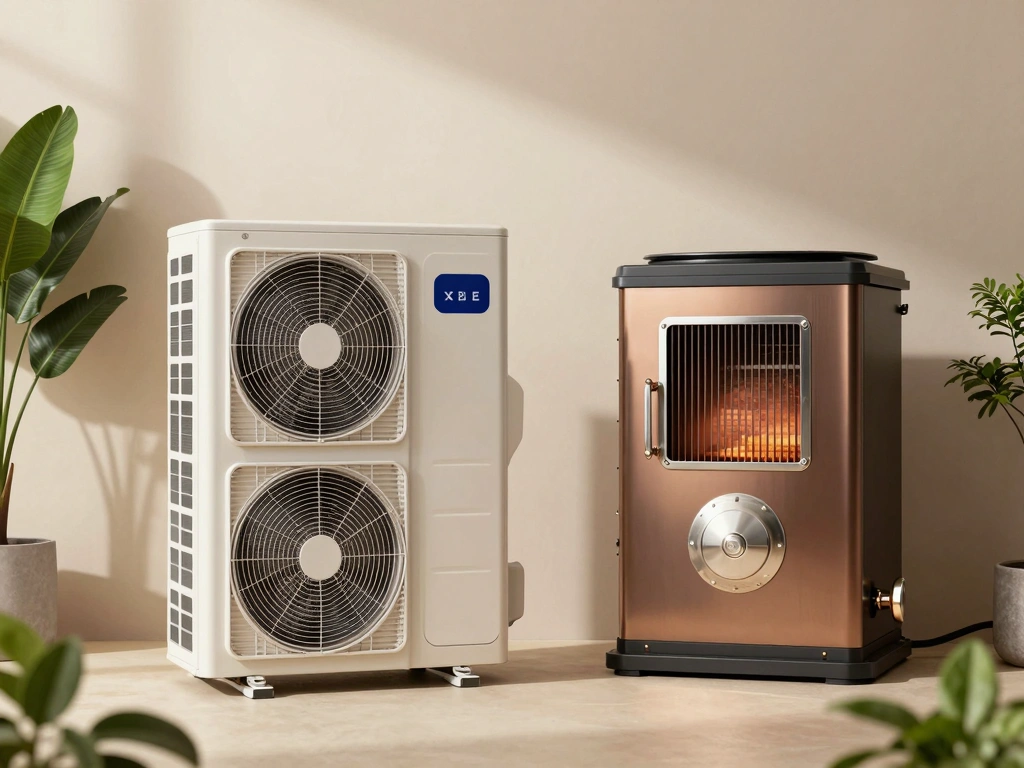
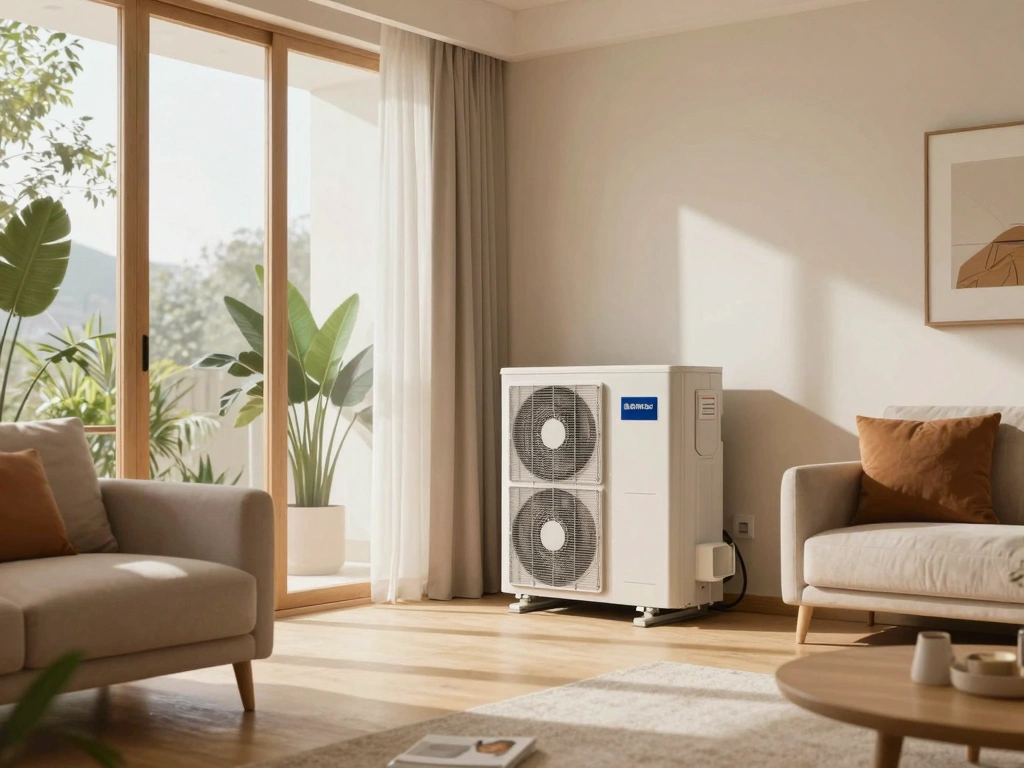
- Outdoor Unit: This unit houses the compressor, condenser, and fan, responsible for dissipating heat outside.
- Indoor Unit: This is the air-handling component that delivers cooled or heated air into the living space. It is usually mounted on walls or ceilings and can be available in various styles, such as wall-mounted, ceiling-mounted, or floor-mounted.
- Refrigerant Lines: These insulated lines connect the indoor and outdoor units, allowing refrigerant to flow between them, carrying heat away from the indoor space or adding heat to it, depending on the mode of operation.
- Remote Control: Most mini split systems come with a remote control, enabling users to easily adjust settings like temperature and fan speed from anywhere in the room.
Benefits of Using Mini Split Systems
Mini split air conditioners offer numerous advantages that cater to modern living requirements:
- Energy Efficiency: Mini splits are known for their high energy efficiency, often achieving SEER (Seasonal Energy Efficiency Ratio) ratings above 20, which translates to lower energy bills during peak seasons.
- Zoning Capability: With the ability to heat or cool individual rooms, mini splits allow homeowners to customize comfort levels based on occupancy and preference, minimizing unnecessary energy consumption.
- Easy Installation: The ductless design simplifies installation, requiring only a small hole in the wall to connect the indoor and outdoor units, avoiding significant renovation costs associated with ductwork.
- Quiet Operation: Mini split systems generally operate quieter than traditional HVAC systems, making them suitable for bedrooms, libraries, or any space requiring low noise levels.
Energy Efficiency and Cost Savings
How Mini Split Systems Save Energy
Energy efficiency in mini split systems is achieved through inverter technology, which allows the compressor to adjust its speed according to the heating or cooling demand. This variable speed operation reduces energy consumption by avoiding the start-stop cycles common in traditional systems. By maintaining a consistent temperature without excessive energy use, mini splits can significantly lower utility expenses.
Calculating Potential Savings
To understand the potential savings of switching to a mini split, consider the following factors:
- Current Energy Costs: Analyze your current energy bills and usage patterns to assess how much you could save with a more efficient system.
- SEER Ratings: Compare the SEER ratings of your existing AC unit with those of energy-efficient mini splits. Higher ratings indicate better efficiency.
- Usage Patterns: Calculate how often you need heating or cooling in specific areas, which will help you decide on the appropriate number of units and their placements.
Comparing Mini Splits to Traditional AC Units
When assessing the cost-effectiveness of mini split systems against traditional air conditioning units, consider the following comparisons:
- Initial Cost: Traditional AC systems may have a lower upfront cost, but mini splits often provide long-term energy savings that can offset higher initial costs.
- Energy Bills: Mini splits typically incur lower monthly bills due to their superior efficiency, especially in homes where only certain areas require cooling or heating.
- Maintenance Costs: Mini splits generally require less maintenance, leading to further savings over time as there are fewer components to service and repair.
Installation and Maintenance
Steps to Install a Mini Split of Air Conditioner
Proper installation is crucial for optimizing the performance of a mini split system. Here’s a step-by-step approach:
- Select the Location: Choose appropriate spots for both the indoor and outdoor units, considering accessibility, aesthetics, and air circulation.
- Mount the Indoor Unit: Secure the indoor unit to the wall or ceiling, ensuring the mounting bracket is level.
- Install the Outdoor Unit: Place the outdoor unit on a stable base, ensuring sufficient airflow around it and avoiding direct sunlight exposure.
- Connect Refrigerant Lines: Carefully run the refrigerant lines through the wall, ensuring airtight connections to avoid leaks.
- Electrical Connections: Connect the electrical cables according to the manufacturer’s specifications, following local codes for safety.
- Test the System: Once installed, test the system to ensure proper functionality and check for any refrigerant leaks.
Common Maintenance Practices
Maintaining your mini split air conditioner is essential for longevity and efficiency. Key maintenance tasks include:
- Regular Filter Cleaning: Inspect and clean the air filters every month to ensure unobstructed airflow.
- Outdoor Unit Cleaning: Keep the outdoor unit free of debris, particularly in the condenser area, to enhance performance.
- Inspect Refrigerant Levels: Periodically check refrigerant levels and schedule professional inspections as needed.
- Annual Professional Service: Engage a qualified technician for a yearly inspection and maintenance check to identify potential issues early.
Finding Professional Installation Services
Choosing the right professional for installation can affect the efficiency of your mini split system. When searching for services, consider the following:
- Certifications: Ensure the technician holds necessary HVAC certifications and is familiar with mini split installations.
- Reviews and References: Look for customer reviews and ask for references to gauge the quality of service.
- Warranty and Service Agreements: Check what warranties or maintenance plans are available to ensure long-term support.
Addressing Common Concerns
Noise Levels of Mini Split Systems
While mini split systems are lauded for their quiet operation, some homeowners express concerns about noise levels. Most indoor units operate at around 19 decibels, which is comparable to a whisper. However, the outdoor unit can be louder, especially during peak operation. Proper location selection and sound insulation can further mitigate noise issues.
Potential Downsides to Consider
While mini splits offer numerous benefits, there are a few downsides to consider:
- Higher Initial Costs: The upfront installation costs can be higher than traditional AC systems, which might deter some homeowners.
- Appearance: Some people find the indoor units less aesthetically pleasing compared to conventional systems hidden within ductwork.
- Installation Complexity: Although easier than ducted systems, proper installation is crucial; poor installation can lead to inefficiencies.
Tips for Optimal Performance
To maximize the performance of your mini split air conditioner, consider these tips:
- Set Consistent Temperatures: Avoid frequent adjustments to the thermostat for optimal energy efficiency.
- Use Zoning Effectively: Only heat or cool rooms that are in use to save energy and costs.
- Schedule Regular Maintenance: Keep the system running efficiently by adhering to maintenance schedules.
Future Trends in Air Conditioning
Innovations in Mini Split Technology for 2026
Looking forward, advancements in mini split technology anticipate improvements in energy efficiency, integration with smart home systems, and enhanced user control through mobile apps. Additionally, systems are expected to utilize eco-friendly refrigerants for better environmental impact.
Sustainable Practices in the HVAC Industry
The HVAC industry is also shifting towards sustainable practices, with more manufacturers focusing on reducing carbon footprints and optimizing energy consumption in their designs. The future may bring new regulations that encourage the adoption of low-impact materials and technologies.
What to Expect in Home Climate Control Solutions
As the demand for energy-efficient solutions grows, homeowners can expect more diverse options in climate control, including innovative hybrid systems that combine various technologies to enhance efficiency and comfort.
What are the downsides of a mini-split AC system?
Despite their advantages, some downsides are associated with mini splits, including potential initial costs and aesthetic considerations. However, most users find the long-term savings and comfort outweigh these concerns.
Why is my electric bill so high with mini split?
If your electric bill is high despite using a mini split, it could be due to improper sizing, maintenance issues, or using the system inefficiently. Ensuring proper installation and regular maintenance can help alleviate these issues.
What is the typical cost of installing a mini split system?
The cost of installing a mini split system can vary widely, depending on factors such as the number of zones, complexity of installation, and the equipment selected. Homeowners can expect to pay anywhere from $3,000 to $10,000 for a complete installation.
Are mini-splits good for air conditioning?
Yes, mini-split systems are excellent for air conditioning, particularly in homes without ductwork or in spaces where precise temperature control is desirable. Their energy efficiency and flexibility make them a smart choice for a variety of settings.