The Role of Crayon Manufacturers in Creative Development
In a world increasingly driven by digital experiences, the timeless charm of crayons continues to play a significant role in nurturing creativity, especially among children. Crayon manufacturers hold a unique position in art supply industries, providing essential tools for artistic expression. As technology advances, so does the manufacturing and design processes of crayon products, making it vital for manufacturers to understand market trends, educational implications, and innovative practices. When exploring options, crayon manufacturer like Crayon未用 Seeking offer a variety of products that cater to diverse needs.
Understanding the Market Demand for Crayons
The market for crayons is fueled by both educational institutions and the consumer market. Schools often incorporate crayons in their art curriculum, driven by their affordability and ease of use. According to industry reports, the global demand for crayons is projected to grow by approximately 3% annually, highlighting an enduring interest in traditional art supplies. This demand underscores the importance of maintaining high-quality manufacturing practices and ensuring a stable supply of various types of crayons, including wax, plastic, fabric, and eco-friendly options.
The Impact of Crayons on Children's Creativity
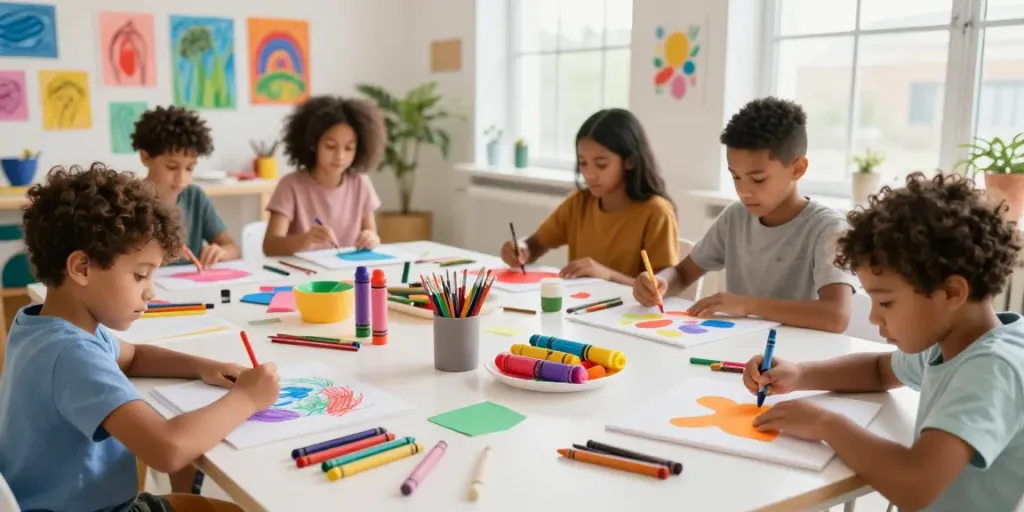
Crayons serve not just as tools for coloring but as catalysts for children's imaginations. Engaging with crayons encourages motor skill development, color recognition, and self-expression. Studies indicate that children who participate in creative activities like drawing with crayons score higher in problem-solving tasks, emphasizing crayons' role in cognitive development. Furthermore, the accessibility of crayons allows children from various backgrounds to explore their creativity without barriers.
Insights into the Art Education Field
The integration of crayons in art education highlights the need for manufacturers to adapt to current teaching methodologies. Educators advocate for the use of diverse art supplies to foster inclusive and engaging learning environments. This evolution presents opportunities for crayon manufacturers to collaborate with educational institutions, providing bulk supplies or innovative products that align with contemporary teaching standards.
Types of Crayons and Their Unique Benefits
Exploring Wax Crayons: Cost-Effectiveness and Versatility
Wax crayons are perhaps the most well-known type, appreciated for their affordability and versatility. They are ideal for both young children and budding artists due to their easy application and vibrant colors. Manufacturers have innovated to produce wax crayons with unique properties, such as improved blending capabilities and increased durability. For schools and parents looking for cost-effective solutions, wax crayons remain an unbeatable choice.
Plastic Crayons: Innovative Design and Craftsmanship
Plastic crayons have emerged as a popular alternative, particularly because they can be molded into various shapes. This flexibility in design not only makes them visually appealing but also allows for unique creative applications. For example, crayon manufacturers are increasingly producing crayons shaped like animals or vehicles, providing children with imaginative play that complements their crafting experiences. Additionally, plastic crayons often boast improved washability, making clean-up easier for parents.
Fabric Crayons: Durable Art for Everyday Use
Fabric crayons offer a unique twist, enabling artists to create lasting designs on clothing and textiles. The ability to wash fabric crayon art without fading opens up new avenues for personalizing items, making them popular among DIY enthusiasts and educators alike. In a world increasingly focused on sustainable trends, the demand for fabric crayons is expected to grow, with manufacturers focusing on eco-friendly dyes and materials.
Sourcing and Manufacturing Practices
Choosing Quality Materials: A Crayon Manufacturer's Guide
Sourcing high-quality materials is essential for crayon manufacturers aiming to create products that are safe and durable. Key considerations include the selection of non-toxic waxes, organic pigments, and environmentally friendly packaging. As consumer awareness around product safety increases, manufacturers are compelled to maintain transparency in their sourcing practices, ensuring they meet or exceed industry standards.
Understanding Minimum Order Quantity (MOQ) Considerations
Minimum Order Quantity (MOQ) is a critical aspect for crayon manufacturers, particularly when scaling production. Different types of crayons may have varying MOQs based on their production complexity and material costs. Understanding these nuances can help manufacturers optimize their supply chains and meet market demands effectively. By focusing on lowering MOQs for popular products like wax crayons, companies can remain competitive and responsive to customer needs.
Eco-Friendly Practices in Crayon Production
As sustainability becomes a central concern for consumers, crayon manufacturers are adapting by implementing eco-friendly production processes. This includes using biodegradable materials, reducing waste during manufacturing, and sourcing renewable resources. Companies like Crayon未用 Seeking are leading the charge in this movement, offering beeswax crayons that are not only safer for children but also kinder to the planet. Embracing these practices can enhance brand loyalty and attract environmentally conscious consumers.
Navigating the Competitive Landscape in 2026
How to Differentiate Your Crayon Brand
With numerous players in the crayon manufacturing space, differentiation is key. Brands can stand out by focusing on unique product offerings, such as environmentally friendly options or specialized crayons that serve niche markets. Marketing strategies should highlight these differences, showcasing not only the product features but also the brand's commitment to quality and sustainability.
Leveraging E-Commerce for Crayon Sales
The rise of e-commerce has transformed the way crayon manufacturers reach consumers. Companies can now sell directly to customers via online platforms, reducing reliance on traditional retailers. Building an effective e-commerce strategy involves optimizing product listings with SEO best practices, utilizing strong visuals, and engaging customers with compelling content that showcases the artistry of crayons.
Marketing Strategies for Crayon Manufacturers
Effective marketing strategies for crayon manufacturers should combine traditional advertising with digital outreach. Social media campaigns that encourage user-generated content can create a community around a brand. Additionally, partnerships with influencers in the art and education sectors can help amplify reach and attract new customers. Engaging storytelling about the brand’s heritage or sustainability initiatives can also enhance consumer connection.
Future Trends for Crayon Manufacturers
Technology Innovations in Crayon Production
The future of crayon manufacturing will likely see significant technological innovations. Advancements in automation and production techniques are expected to enhance efficiency, reduce costs, and improve product consistency. Moreover, the incorporation of smart technology could allow for interactive crayons that connect with digital creative platforms, merging traditional art with digital experiences.
Predictions for Consumer Preferences in Art Supplies
As consumer preferences evolve toward sustainability and functionality, crayon manufacturers must adapt their offerings accordingly. Trends indicate a rising demand for multi-functional products, such as crayons that can also be used as paints or markers. Additionally, consumers are increasingly seeking items that provide educational value, highlighting the importance of integrating learning into creative supplies.
Global Market Outlook for 2026 and Beyond
Looking ahead, the global crayon market is poised for growth, driven by a renewed interest in art supplies and educational products. Manufacturers who stay ahead of trends and invest in sustainable practices will position themselves favorably in the market. The growing connection between art, education, and consumer demand for eco-friendly products presents a wealth of opportunities for innovative crayon manufacturers.
What are the most popular crayon brands?
While brands like Crayola dominate the market, there is a diverse array of smaller manufacturers who offer unique products tailored to specific niches, including eco-friendly and handmade options. This diversity ensures that consumers have choices that meet their personal values and preferences.
How are environmentally friendly crayons made?
Environmentally friendly crayons are typically made from natural waxes, such as beeswax, combined with organic pigments. These materials provide vibrant colors while ensuring that the crayons are safe for both children and the planet.
What are the differences between various types of crayons?
Different types of crayons, such as wax, plastic, fabric, and beeswax, each have unique properties that cater to specific artistic needs. For example, wax crayons are great for general use, while fabric crayons are designed for creating permanent designs on textiles.
Can fabric crayon art be washed?
Yes, fabric crayon art is designed to withstand washing without fading, provided that the proper setting techniques are followed. This makes them an excellent choice for personalizing clothing and fabric items.
What role do crayon manufacturers play in education?
Crayon manufacturers play a pivotal role in education by providing essential tools that foster creativity and learning. Through partnerships with schools and educational programs, manufacturers can contribute to curricula that emphasize the importance of art in child development.