Understanding the Concept of Loving It in Urban Life
The phrase "love it" captures an enthusiastic embrace of experiences and surroundings, especially in an urban context. It embodies the very essence of finding joy and passion in daily life, from the bustling streets filled with diverse cultures to the vibrant art scenes and culinary delights. In a city, this expression transcends mere words—it's a lifestyle, a mindset that reflects how individuals connect with their environment and community. By understanding this concept, we can delve deeper into what makes urban living so enticing and how it fosters a sense of belonging and excitement. For comprehensive insights into urban experiences and their evolution, love it serves as a guiding principle.
What Does "Love It" Mean in a City Environment?
In the context of urban life, "love it" refers to the emotional resonance individuals feel towards their cities. It signifies appreciation for the unique offerings that urban areas provide, such as a diverse range of cultural activities, social interactions, and opportunities for personal growth. The phrase encapsulates a positive attitude towards the hustle and bustle of city life, where every corner can unveil something new and exciting.
The Emotional Connection to Urban Living
Urban living often triggers a complex array of emotions. People find joy in the vibrancy of city life, where experiences are rich and varied. For instance, the excitement of attending a local festival, exploring hidden gems in the neighborhood, or simply enjoying a park on a sunny day can elicit feelings of love for one’s surroundings. This emotional connection is crucial; it shapes how residents view their cities and motivates them to invest in their communities.
How Urban Spaces Cultivate the Love It Mindset
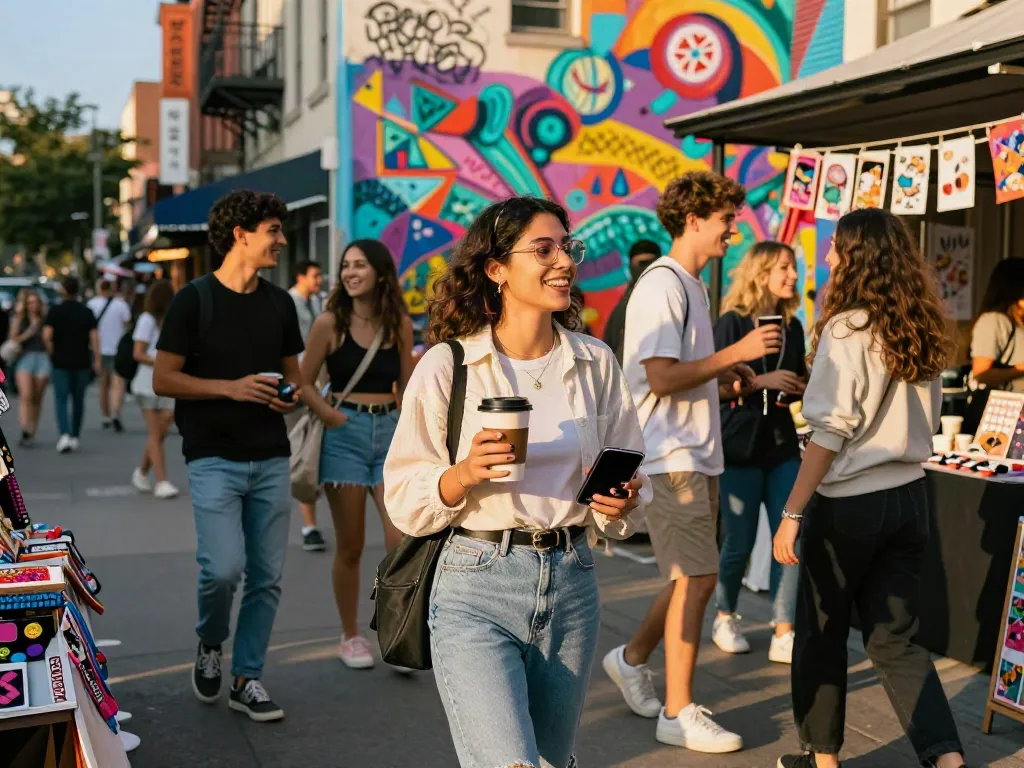
Urban spaces can enhance a "love it" mindset through design and community engagement. Well-planned parks, public art installations, and lively markets create environments that inspire joy and interaction among residents. Cities that prioritize pedestrian-friendly areas encourage exploration and socialization, fostering stronger community ties. As urban areas evolve, the integration of green spaces and cultural hubs becomes essential in promoting the "love it" philosophy.
The Role of Community in Loving Urban Life
Community plays a pivotal role in fostering a "love it" attitude toward urban living. When individuals feel connected to their neighborhoods, they are more likely to engage in local events and support local businesses, enhancing their overall experience of city life.
Building Social Connections: Why We Love It
Social connections are fundamental to the urban experience. Friendships and networks formed in cities can significantly influence one’s perception of their environment. Engaging in community activities, such as group workouts, art classes, or volunteer initiatives, allows individuals to build relationships that reinforce their love for their city. These connections help create a sense of belonging, making urban life more fulfilling.
Community Events: Celebrating the Love It Culture
Events that celebrate local culture and community are vital in sustaining a "love it" mentality. From street fairs and farmers’ markets to art walks and music festivals, these gatherings showcase the passion and creativity of local residents. They allow individuals to come together, share experiences, and cultivate a love for the unique offerings of their cities. Such events highlight what makes urban life special and reinforce community pride.
How Local Businesses Foster a Love It Atmosphere
Local businesses play a crucial role in creating a "love it" atmosphere. Independent cafes, boutiques, and galleries contribute to the character of neighborhoods, offering unique products and services that reflect the local culture. Supporting these businesses not only fosters economic growth but also enhances the communal bond, encouraging a collective love for the area. Moreover, local entrepreneurs often engage with their communities directly, participating in or sponsoring events that further strengthen connections.
Exploring Lifestyle Trends Driven by Love It Attitudes
The "love it" mindset influences various lifestyle trends in urban settings, including fashion, dining, and artistic expression. These trends reflect the values and preferences of city dwellers who seek to embody their passion for their environment.
Fashion Choices: Wearing What You Love
Fashion in urban environments often serves as an expression of identity and preference. The "love it" attitude encourages individuals to embrace personal style that resonates with their lifestyle and surroundings. Streetwear, sustainable brands, and local designers are increasingly popular as consumers seek to support what they love while also showcasing their individuality.
Food and Dining: Trends That Make You Love It
The culinary scene in cities has seen a surge in diversity and creativity, allowing residents to explore various cuisines and dining experiences. Food trucks, pop-up restaurants, and farm-to-table concepts cater to a growing appetite for unique flavors and sustainable practices. This evolving food culture fosters a love for the city, encouraging individuals to explore and appreciate the local gastronomic landscape.
Art and Culture: The Influence of Love It on Creativity
Art and culture thrive in urban settings, fueled by the "love it" mindset. With numerous galleries, theaters, and performance spaces, cities become vibrant canvases for creative expression. Local artists often draw inspiration from their environments, producing works that reflect their passions and experiences. This established cultural scene invites residents to engage, participate, and cultivate their love for the arts.
Challenges to Embracing the Love It Lifestyle
While the "love it" mindset enriches urban life, several challenges can hinder this experience. Addressing these issues is essential for fostering a more inclusive and fulfilling urban environment.
Overcoming Urban Isolation: Finding Connection
Urban isolation is a significant challenge for many city dwellers. Despite being surrounded by people, individuals can feel disconnected and lonely. To combat this, fostering community engagement and encouraging social interactions are critical. Initiatives such as neighborhood meetups, community centers, and collaborative projects can help create bridges between individuals, promoting a sense of belonging and love for their environment.
Addressing Gentrification: Preserving Authenticity
Gentrification often poses a threat to the authentic character of urban neighborhoods. As areas transform, long-standing residents may feel disenfranchised while new developments cater to wealthier populations. Recognizing the importance of preserving cultural heritage is vital in maintaining a "love it" atmosphere. Strategies like community land trusts, inclusive policies, and supporting local businesses can help ensure that all residents continue to find value and love in their neighborhoods.
Environmental Concerns: Loving It Responsibly
As cities grow, environmental concerns also escalate. The impact of urban living on sustainability raises questions about how communities can embrace a "love it" lifestyle responsibly. Implementing green initiatives, such as urban gardening, recycling programs, and energy-efficient practices, can empower residents to take actions that reflect their love for the environment. Awareness campaigns and educational programs can further encourage responsible urban living.
Future Trends: What to Expect from Urban Love It Culture in 2026
As we look ahead to 2026, several trends are anticipated to shape the "love it" culture in urban environments. Understanding these developments will be crucial for both residents and city planners.
Predicted Changes in Urban Living Preferences
Urban residents will continue to seek experiences that prioritize quality of life and community engagement. Preferences for walkable neighborhoods, access to public transport, and proximity to nature are likely to influence urban design. The desire for mixed-use spaces that allow for residential, commercial, and recreational areas to coexist will shape future city planning. This shift will enhance the "love it" culture, encouraging stronger ties between residents and their communities.
The Role of Technology in Enhancing Love It Experiences
Technological advancements will play a significant role in enhancing urban experiences. Smart city technologies, such as real-time public transport tracking, mobile apps for community engagement, and digital platforms for local businesses, will provide residents with tools that connect them more deeply with their environment. These innovations will facilitate a more interactive and immersive approach to city living, amplifying the "love it" ethos.
Embracing Sustainability: The New Love It Revolution
The future of urban living will increasingly revolve around sustainability. As more residents express their love for the environment, cities must adapt by integrating eco-friendly practices. Initiatives focused on reducing waste, promoting renewable energy, and enhancing green spaces will become central to urban development. This shift will not only reflect a growing awareness of environmental issues but also inspire a collective love for the planet in urban settings.
What does "love it" truly mean?
At its core, "love it" embodies an appreciation for life and experiences, particularly within urban settings. It's about joy, connection, and embracing what makes each city unique.
How can I express my love for my city?
Expressing love for your city can be done in various ways—participating in local events, supporting small businesses, or sharing your experiences on social media are all effective methods.
Why are urban experiences so impactful?
Urban experiences are impactful due to their diversity, vibrancy, and the potential for social connections. The rich tapestry of city life allows individuals to explore new cultures, ideas, and relationships.
In what ways can communities foster a love it culture?
Communities can foster a "love it" culture by hosting events, supporting local initiatives, and encouraging interaction among residents to build stronger bonds and pride in their neighborhoods.
What trends will shape urban living in the future?
Future trends in urban living will likely include a focus on sustainability, technological integration, and an emphasis on community-driven experiences that enhance the overall quality of life.