Understanding Smart Locks
In a world where technology is rapidly evolving, the demand for enhanced security solutions has never been greater. Smart locks, or قفل هوشمند, represent a significant advancement in home security technology. Designed to replace traditional locks, these devices offer convenience, increased safety, and a range of functionalities that cater to modern lifestyles. With the ability to integrate with home automation systems and provide real-time access control, smart locks are transforming how we secure our homes. For those exploring options, قفل هوشمند offers comprehensive insights into the wide variety available on the market today.
What is a قفل هوشمند?
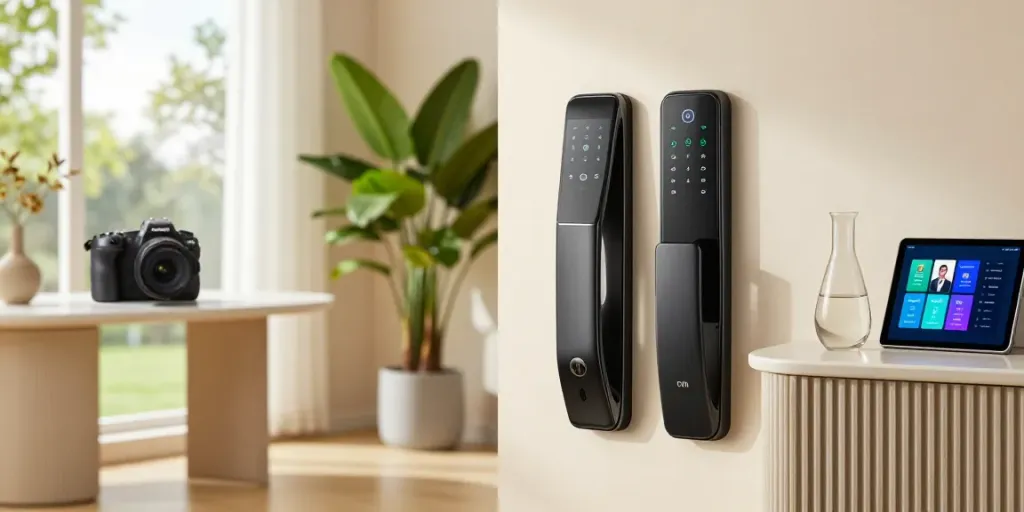
A smart lock is an electronic locking mechanism that allows users to control access to their home or property without the need for traditional keys. Instead of relying on physical keys, these locks can be operated using mobile apps, keypads, biometric data, or other digital authentication methods. This innovative technology not only improves convenience but also provides enhanced security features that are often lacking in standard locks.
The Technology Behind Smart Locks
At the core of every smart lock is advanced technology that enables secure and reliable operation. Smart locks can be categorized into various types based on their functionalities.
- Bluetooth Locks: These locks communicate with smartphones via Bluetooth, allowing users to unlock their doors with their devices.
- Wi-Fi Enabled Locks: These locks connect to the home Wi-Fi network, enabling remote access control from anywhere in the world through a mobile app.
- Biometric Locks: Utilizing fingerprint or facial recognition technology, biometric locks provide an added layer of security by ensuring that only authorized users can gain access.
- Keypad Locks: Users can enter a numerical code to unlock these devices, eliminating the need for physical keys altogether.
Types of Smart Locks Available
Smart locks come in various forms, each with its own set of features. Some common types include:
- Deadbolt Smart Locks: Ideal for external doors, these locks offer high-security features in addition to smart functionalities.
- Lever Handle Smart Locks: Often used for interior doors, these locks provide an easy grip and can be integrated with existing home décor.
- Smart Padlocks: These portable locks can be used on gates or storage units, providing clever solutions for confined spaces.
Choosing the Right Smart Lock for Your Home
As the market for smart locks continues to grow, selecting the right one for your home can seem overwhelming. It's essential to consider various factors that will influence your choice of lock.
Key Features to Consider
When choosing a smart lock, the following features are crucial:
- Remote Access: Opt for a lock that allows you to control access from anywhere through a mobile app.
- Geofencing: This feature automatically unlocks the door when you approach, providing seamless entry.
- Access Logs: Look for locks that can track who enters and exits your home and when.
- Integration with Home Automation Systems: Ensure compatibility with existing smart home devices for enhanced functionality.
Price Ranges and Budgeting for قفل هوشمند
The cost of smart locks can vary significantly based on the features, brand, and technology used. Basic models may start around $100, while high-end options with advanced features can exceed $300. It's crucial to establish a budget and prioritize features that align with your security needs while ensuring you choose a high-quality product.
Top Brands and Their Offerings
Several reputable brands dominate the smart lock market, each offering unique products tailored to various user needs:
- August: Known for its easy installation and retrofit capabilities, August locks work with existing deadbolts without the need for new keys.
- Schlage: A trusted name in security, Schlage offers a variety of smart locks that combine durability with advanced technology.
- Kwikset: Offers customizable features along with a wide range of traditional and modern designs to fit any home aesthetic.
Installation and Maintenance
Installing a smart lock can either be a straightforward DIY project or require professional help, depending on the complexity of the system. It's essential to assess your skill level and the specific lock's installation requirements.
DIY Installation vs. Professional Installation
Many smart locks are designed for easy DIY installation, making them accessible for those with basic tools and handyman skills. However, for those less confident in their abilities or who prefer a flawless installation, hiring a professional may be the best choice.
Regular Maintenance Tips for Smart Locks
To ensure your smart lock functions correctly, regular maintenance is essential. Consider these tips:
- Keep the lock clean and free of debris.
- Regularly check battery levels and replace them as needed.
- Update the lock's firmware to ensure it is equipped with the latest features and security patches.
Common Issues and Troubleshooting
Users might encounter issues with connectivity or functionality. Common problems include:
- Battery depletion: Regular checks on the battery are vital to prevent unexpected lockouts.
- Connectivity issues with Wi-Fi or Bluetooth: Ensure your lock is within the range of your network for optimal performance.
- Software glitches: Occasionally, a reset may be required to resolve software-related issues.
Enhancing Home Security with Smart Locks
Smart locks are a valuable component of a comprehensive home security strategy. They integrate seamlessly with other smart home devices to create a more secure living environment.
Integrating Smart Locks with Home Automation
When combined with other smart technologies like security cameras and alarms, smart locks can provide a holistic approach to home security. Users can set up automation rules, such as locking doors automatically when leaving home or sending alerts if unauthorized access is attempted.
Utilizing Visitor Access Control Features
Smart locks offer advanced visitor access control features, allowing homeowners to grant temporary access to service providers, family members, or guests. These access rights can usually be customized and scheduled based on specific needs.
Monitoring Access and Activity Logs
Many smart locks provide access logs that track who entered and exited the home and when. This feature is particularly useful for monitoring the movements of children or visitors and helps enhance security by providing valuable insights into access patterns.
Future Trends in Smart Lock Technology
The landscape of home security technology continues to evolve rapidly. Emerging trends in smart lock technology indicate exciting possibilities for 2026 and beyond.
Emerging Innovations and Features for 2026
Future smart locks may incorporate even more advanced technology, including:
- AI-driven security protocols that adapt based on user behavior.
- Integration with advanced home security systems, combining surveillance with access control.
- Enhanced biometric security features that provide quicker and more accurate authentication.
Regulatory Standards for Smart Home Devices
As smart home technology becomes increasingly prevalent, regulatory bodies are likely to establish stricter guidelines for security and privacy, ensuring that manufacturers comply with safety and data protection standards.
The Future of Home Security Solutions
The continued growth of smart locks will lead to more innovative solutions for home security, offering greater convenience and peace of mind for homeowners. As technology advances, the integration of smart locks with broader home automation systems will likely become more seamless, creating interconnected environments that enhance user experience and security.