Understanding Hair Loss and Its Treatments
Hair loss is a prevalent concern affecting millions of individuals globally, influencing their self-esteem and overall well-being. In Dubai, where lifestyle factors and environmental conditions can trigger or exacerbate hair loss, it’s crucial to have a clear understanding of this issue. Hair loss can be attributed to various factors—medical, genetic, and lifestyle-related. Addressing these factors through appropriate treatments can help individuals regain their confidence and improve their hair health. For those seeking effective solutions for hair loss in Dubai, Visit this website for comprehensive insights and advanced treatment options.
What is Hair Loss?
Hair loss, medically known as alopecia, involves the thinning or complete loss of hair from the scalp or other parts of the body. It can affect both men and women, resulting from a complex interplay of genetic predispositions, hormonal changes, and various lifestyle factors. While it’s normal to lose a certain amount of hair daily, excessive hair loss can indicate underlying health issues that require attention.
Types of Hair Loss
Understanding the types of hair loss is essential in determining the best treatment options. The most common types include:
- Androgenic Alopecia: Often referred to as male or female pattern baldness, this hereditary condition affects a significant number of individuals, leading to a gradual thinning of hair.
- Alopecia Areata: An autoimmune disorder where the immune system mistakenly attacks hair follicles, resulting in patchy hair loss.
- Telogen Effluvium: Temporary hair loss that occurs after stress, shock, or other traumatic events, causing hair roots to be pushed prematurely into the shedding phase.
- Traction Alopecia: Hair loss caused by prolonged tension on the hair, often from tight hairstyles like braids or ponytails.
- Anagen Effluvium: A rapid loss of hair during the anagen (growth) phase, often induced by chemotherapy or radiation therapy.
Symptoms of Hair Loss
The symptoms of hair loss can vary based on the type. Common signs include:
- Gradual thinning on top of the head.
- A receding hairline.
- Patchy or circular bald spots.
- Sudden loosening of hair.
- Hair fall that occurs while washing or brushing.
Effective Hair Loss Treatment Options
With advancements in medical technology, various effective treatment options for hair loss have emerged, ranging from medications to surgical procedures. Determining the right option is vital based on the individual's condition and type of hair loss.
Medical Treatments: Medications and PRP
Medical treatments for hair loss often involve the use of FDA-approved medications like Finasteride and Minoxidil. Finasteride works by inhibiting the hormone responsible for hair loss in men, while Minoxidil stimulates hair follicles to promote growth. Another innovative approach is Platelet-Rich Plasma (PRP) therapy, which utilizes the patient's blood to inject concentrated platelets into the scalp. This process enhances blood circulation and promotes natural hair growth.
Advanced Surgical Options: Hair Transplants
For individuals experiencing significant hair loss, hair transplant surgery represents a permanent solution. This procedure involves the extraction of hair follicles from donor areas, typically the back of the scalp, and their transplantation into balding regions. Techniques such as Follicular Unit Extraction (FUE) and Follicular Unit Transplantation (FUT) ensure a natural appearance and long-lasting results.
Non-Surgical Techniques: LLLT and More
Low-Level Laser Therapy (LLLT) is gaining traction as a non-invasive treatment option. It uses laser light to stimulate hair follicles, promoting hair growth and thickness without the need for surgery. This method is appealing for those seeking to minimize downtime and avoid the risks associated with surgical procedures.
Identifying Candidates for Hair Loss Treatments
Before proceeding with treatment, it’s important to assess who can benefit from hair loss solutions. Effective treatment is often tailored to the individual, considering their extent of hair loss, underlying causes, and overall health.
Who Can Benefit from Hair Loss Treatments?
Individuals experiencing pattern baldness, autoimmune conditions affecting hair growth, or temporary hair loss due to stress may all be suitable candidates for treatment. Age, health status, and personal preferences also play critical roles in determining candidacy.
Assessing Candidacy: Medical History Review
A thorough medical history review is essential to understand the underlying causes of hair loss. Factors such as family history, hormonal changes, and lifestyle habits contribute to hair health, allowing for personalized treatment plans.
Consultation Process Explained
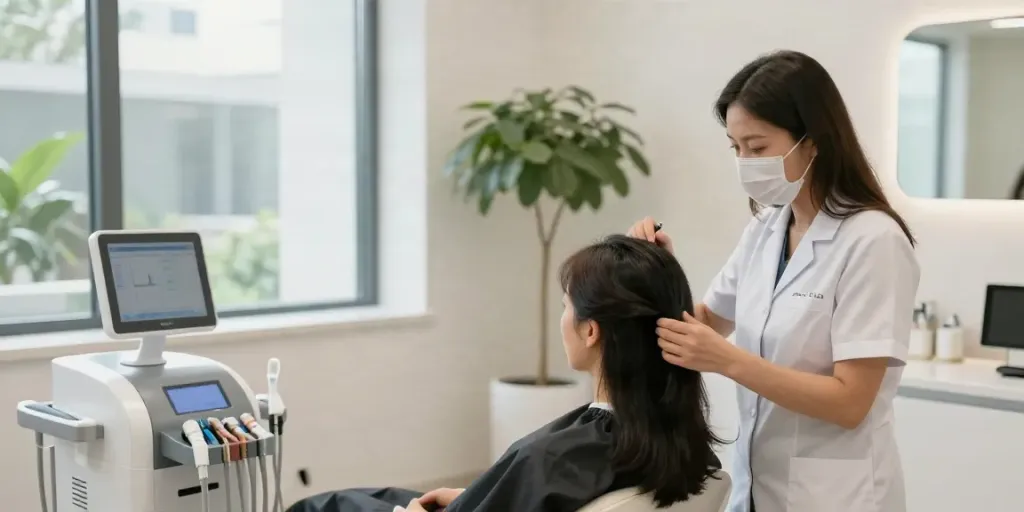
The consultation process typically begins with an assessment of the patient's medical history, followed by a physical examination of the scalp. Patients may undergo blood tests to rule out any medical conditions, ensuring the best possible treatment strategy is employed.
Recovery and Aftercare Post-Treatment
Post-treatment care is crucial for achieving optimal results. Understanding recovery protocols and adhering to aftercare guidelines can significantly impact hair regrowth outcomes.
Understanding Recovery Times
Recovery times vary depending on the treatment type. Surgical procedures generally require more extended recovery periods, while non-surgical options may allow patients to resume normal activities sooner. It's essential to discuss recovery expectations during the consultation.
Essential Aftercare Tips for Hair Health
After treatment, following specific guidelines can enhance recovery and promote healthy hair growth. Key aftercare tips include:
- Avoiding direct sun exposure to the scalp.
- Steering clear of harsh hair products and treatments.
- Maintaining a nutritious diet rich in vitamins essential for hair health.
- Staying hydrated and managing stress effectively.
Monitoring Progress and Follow-Up
Regular follow-ups are essential to monitor progress and make necessary adjustments to the treatment plan. This proactive approach ensures that any complications are swiftly addressed, maximizing the effectiveness of the chosen treatment.
Choosing Bizrahmed for Your Hair Restoration Needs
When it comes to selecting a provider for hair loss treatment, Bizrahmed stands out for its commitment to offering advanced, tailored solutions for hair restoration. With a team of experienced specialists and state-of-the-art facilities, patients can expect comprehensive care throughout their treatment journey.
Why Select Bizrahmed?
Bizrahmed is renowned for its personalized approach to hair restoration, focusing on individual needs and concerns. The clinic prides itself on leveraging the latest advancements in hair loss treatments, providing patients with effective and long-lasting results.
Meet Our Expert Doctors
The team at Bizrahmed comprises qualified professionals with extensive experience in hair transplantation and related treatments. Each doctor brings unique expertise, ensuring patients receive the highest level of care tailored to their specific conditions.
Cost Considerations: Getting Value for Your Treatment
Although the cost of hair loss treatments can vary widely, Bizrahmed is dedicated to offering affordable options without compromising on quality. Understanding the full scope of costs involved, including consultations and follow-ups, is essential for informed decision-making.
What to Expect During Your Consultation?
During the initial consultation at Bizrahmed, patients can expect a detailed discussion about their hair loss concerns and treatment options. The process typically includes a physical examination, medical history review, and diagnostic testing to formulate a personalized treatment plan.
Frequently Asked Questions About Hair Loss Treatments
Patients often have questions regarding hair loss treatment options, effectiveness, and outcomes. It's essential to address these queries through open communication with the healthcare team, ensuring all concerns are adequately managed.