Understanding Aerospace CNC Machining and Its Importance
CNC machining has revolutionized the aerospace manufacturing industry since its inception, offering unparalleled precision and efficiency. The ability to automate and control machining processes with high accuracy is essential for producing parts that adhere to stringent aerospace standards. As the industry evolves, the demand for customized components is on the rise, making it crucial for manufacturers to adopt advanced machining technologies. In this context, understanding the role of leading aerospace cnc parts manufacturers becomes imperative for stakeholders aiming to stay competitive.
Overview of CNC Machining in Aerospace
CNC (Computer Numerical Control) machining refers to the automated control of machining tools via computer programming. In aerospace, precision is non-negotiable; parts must meet exact specifications to ensure the safety and performance of aircraft. Techniques like CNC milling and turning accommodate a multitude of materials, including metals and plastics, crucial for various aerospace applications.
The Role of Precision Parts in Aircraft Performance
The performance of aircraft heavily relies on the quality of its components. Precision parts manufactured through CNC processes contribute to weight reduction, improved aerodynamics, and enhanced fuel efficiency. Every element, from structural components to fuel systems, must be engineered to exact tolerances. As aerospace applications push the boundaries of engineering, the importance of precise machining cannot be overstated.
Competitive Advantages of Using CNC Machining
- High Precision: CNC machines can produce parts within thousandths of an inch, which is critical for aerospace applications.
- Reduced Lead Times: Automation speeds up production cycles, allowing companies to meet tight deadlines.
- Flexibility: CNC machining can accommodate various design iterations without needing new tooling.
- Cost-Effectiveness: For both small and large production runs, CNC machining minimizes waste and reduces overall costs.
Key Technologies in Aerospace CNC Manufacturing
Advanced Materials Used in Aerospace Production
With over 35 types of metals commonly used in aerospace manufacturing, selecting the right material is vital. Metals such as titanium, aluminum, and superalloys are preferred for their strength-to-weight ratios. Additionally, advanced composites and plastics like PEEK and POM are increasingly utilized for their lightweight properties and durability.
Software Development for CNC Operations
Software plays a critical role in the operational efficiency of CNC machining. Both CAD (Computer-Aided Design) and CAM (Computer-Aided Manufacturing) software are essential tools used to design components and generate machining instructions, respectively. Advanced software solutions now integrate AI to optimize machining paths and predict potential manufacturing challenges before they arise.
Innovations in Machining Technology
The aerospace sector is witnessing a surge in the application of technologies such as additive manufacturing and hybrid machining processes that combine subtractive and additive methods. These innovations enhance machining capabilities and yield new design possibilities, enabling the creation of more intricate and optimized aerospace components.
On-Demand Production and Its Benefits
The Impact of Rapid Prototyping in Aerospace
Rapid prototyping significantly influences the development of aerospace components. By allowing manufacturers to create and test prototypes quickly, companies can reduce the time from concept to market. This rapid cycle enables more frequent iterations, ultimately leading to superior products that meet customer requirements.
Custom Solutions for Aerospace Clients
Leading aerospace manufacturers often require tailored solutions to meet specific project needs. This demand drives CNC machining technology to evolve, accommodating unique designs and producing small batch sizes economically. Customization becomes not just an advantage but a necessity in the competitive aerospace landscape.
Streamlining Mass Production Processes
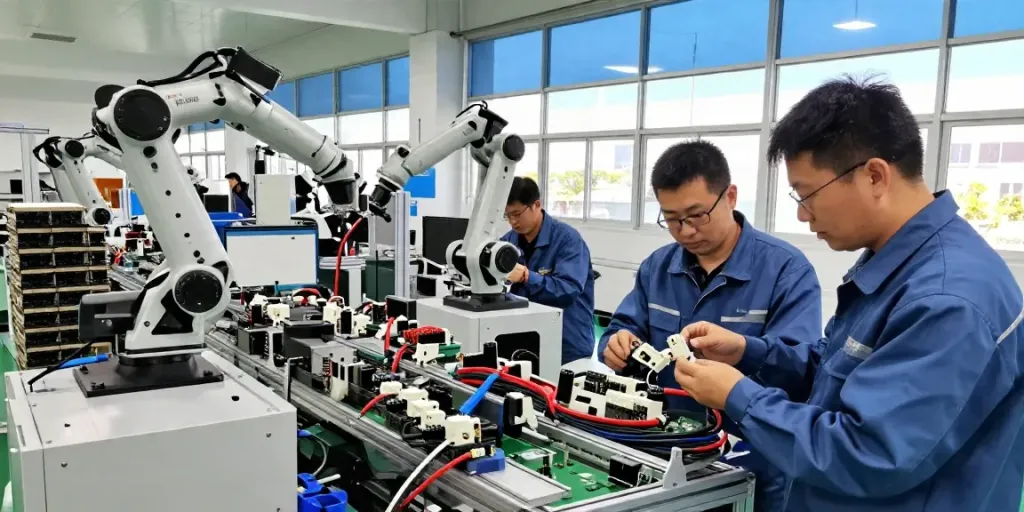
As the aerospace industry grows, so does the need for efficient mass production methods. Innovations in CNC machining technologies, including automation and robotics, allow manufacturers to scale production without sacrificing quality. This agility is critical as companies respond to changing market demands and trends within aviation.
Challenges Faced by Aerospace CNC Manufacturers
Quality Control in Aerospace Parts Manufacturing
Maintaining quality control in aerospace CNC manufacturing is paramount. Each part produced must meet national and international safety standards. Employing advanced inspection techniques, including utilizing coordinate measuring machines (CMM) and non-destructive testing (NDT), is vital to ensure compliance and quality assurance throughout the production process.
Logistical Issues in Supply Chain Management
The aerospace supply chain is complex and often faces diverse challenges, such as sourcing materials and managing inventory levels. Advanced data analytics and inventory management systems help manufacturers optimize their supply chains, ensuring that production remains uninterrupted and efficient.
Meeting Regulatory Standards and Compliance
Regulatory compliance in aerospace is rigorous, requiring adherence to numerous standards set by bodies such as the FAA and EASA. Aerospace manufacturers must ensure that all manufacturing processes are documented and that products undergo extensive testing before use in actual flight. This requirement leads to an investment in training and quality management systems to ensure compliance with international regulations.
The Future of Aerospace CNC Machining
Emerging Trends in Aerospace Manufacturing
As the aerospace industry continues to evolve, several trends are expected to dominate the market. Key advancements include the integration of IoT (Internet of Things) technologies in monitoring machine performance, increased use of blockchain for supply chain transparency, and the growing adoption of sustainable manufacturing practices aimed at reducing environmental impacts.
Sustainability and the Push for Eco-Friendly Practices
With a heightened focus on sustainability, the aerospace industry is championing the use of eco-friendly materials and practices. Manufacturers are exploring alternative materials, recycling methods, and energy-efficient processes to minimize their carbon footprints while still meeting product performance requirements.
AI and Automation in Aerospace CNC Machining
Artificial Intelligence and automation technologies are redefining CNC machining. AI-driven software can analyze production data to optimize machining processes, forecast maintenance needs, and enhance overall efficiency. As automation becomes more prevalent, manufacturers will need to invest in workforce training and development to keep pace with these technological changes.
FAQs
What are the key materials used in aerospace CNC machining?
Aerospace CNC machining commonly employs metals like titanium and aluminum, as well as advanced composites and plastic materials such as PEEK and POM, due to their strength and lightweight characteristics.
How do leading aerospace CNC parts manufacturers ensure quality?
Quality is ensured through stringent inspection processes, adherence to regulatory standards, and the use of state-of-the-art testing technologies like CMM and NDT.
What advancements are expected in CNC technology for aerospace?
Future advancements include increased automation, AI integration, and significant improvements in materials and processes that support sustainability and efficiency in aerospace manufacturing.