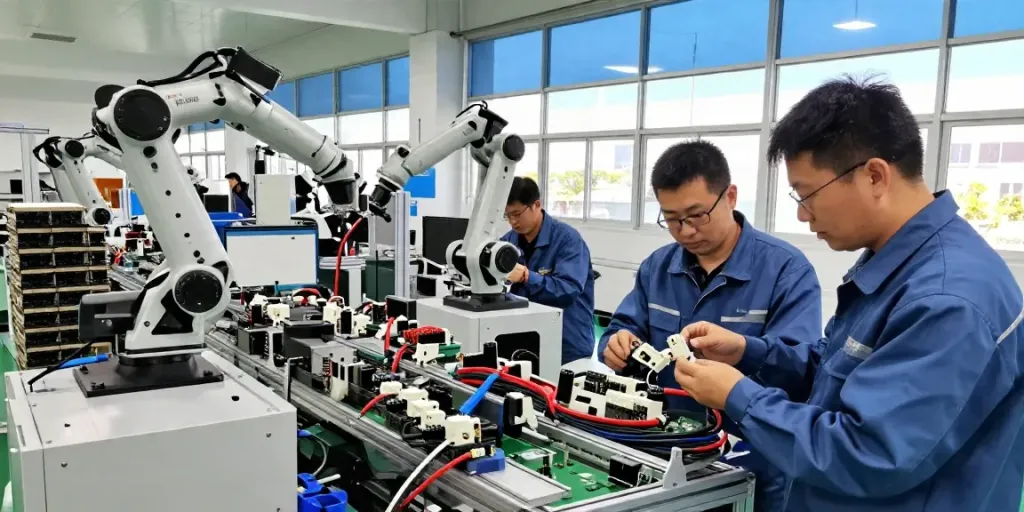
Understanding the Role of Electronic Components Suppliers
In today's rapidly advancing technological landscape, the role of electronic components suppliers is more vital than ever. These suppliers serve as the backbone of various industries, providing essential components that enable a wide range of applications, from consumer electronics to automotive systems. With the increasing demand for high-quality, reliable electronic components, businesses must identify suppliers that not only meet their specifications but also align with their values and operational needs.
When exploring options, Electronic components supplier offers comprehensive insights into the critical factors to consider when selecting a partner. This decision extends beyond mere pricing; it encompasses quality assurance, certification standards, and the ability to meet specific industry requirements.
What Defines a Reliable Electronic Components Supplier?
A reliable electronic components supplier is characterized by several key attributes. Firstly, they must maintain high quality standards in their production processes. This is often demonstrated through certifications such as ISO 9001, which indicates an effective quality management system. Furthermore, suppliers should have a robust supply chain that ensures timely delivery of components, minimizing any potential downtime for manufacturers.
Additionally, a reputable supplier will offer a diverse product range, allowing customers to procure multiple components from a single source, thereby simplifying the purchasing process. Their customer support services are also vital; responsive communication can greatly enhance the partnership experience.
Key Certifications and Standards for Quality Assurance
Quality assurance is paramount when dealing with electronic components. Suppliers should possess certifications that validate their adherence to industry standards. Common certifications include:
- ISO Certifications: Indicate compliance with international quality standards.
- UL Certification: Ensures products meet safety standards recognized in North America.
- CE Marking: Shows that products meet EU safety and environmental standards.
- RoHS Compliance: Indicates that products do not contain hazardous substances.
These certifications not only enhance the supplier's credibility but also serve as assurances for buyers regarding product safety and reliability.
Understanding Industry Needs and Customer Expectations
The landscape of electronic components is evolving, and customers expect suppliers to anticipate their needs. This includes a shift towards sustainable practices, with many companies prioritizing eco-friendly manufacturing processes. Keeping abreast of industry trends and technological advancements is essential for suppliers to remain competitive and meet the expectations of their clients.
Current Trends in Electronic Components Manufacturing
The electronic components industry is witnessing transformative changes driven by technological advancements and shifting market demands. Understanding these trends is crucial for both suppliers and buyers to navigate the evolving landscape successfully.
Automation and Smart Manufacturing Practices
Automation has revolutionized the manufacturing process, resulting in greater efficiency and reduced production costs. Smart manufacturing practices leverage IoT devices and AI technologies to optimize production lines, track performance in real-time, and predict maintenance needs before failures occur. This shift towards automation enhances the quality and consistency of electronic components.
Eco-Friendly Practices in Electronic Production
There's a growing emphasis on sustainability within the industry. Manufacturers are increasingly adopting eco-friendly materials and processes to reduce their carbon footprint. This includes using recyclable materials and minimizing waste during production. Customers, particularly those in consumer electronics, are responding positively to brands that prioritize environmental responsibility.
Technological Innovations Shaping the Future of Supply
Innovation continues to drive advancements in electronic components. The rise of 5G technology, for instance, necessitates the development of new components that can support higher frequencies and enable faster data transfer. Furthermore, advancements in semiconductor technology are leading to smaller, more powerful components that meet the demands of modern applications.
Best Practices for Sourcing Electronic Components
When sourcing electronic components, organizations can adopt several best practices to ensure they find the right supplier and components that align with their needs and expectations.
Strategies for Choosing the Right Supplier
Choosing an electronic components supplier involves thorough research and evaluation. Companies should start by assessing potential suppliers based on their reputation, customer reviews, and case studies. Visiting the supplier's facilities or requesting inspections can provide insights into their quality control processes and operational capabilities. Establishing clear communication about expectations and requirements from the outset can also facilitate a successful partnership.
Importance of Quality Control and Testing Procedures
A sound quality control process is essential for any supplier. Rigorous testing procedures should be in place to ensure that components meet all necessary standards. This may include pre-production testing, in-process inspections, and final product evaluations. Suppliers that invest in comprehensive quality control practices will provide greater assurance to their clients regarding the reliability of their products.
Building Long-Term Supplier Relationships
Strong, long-term relationships with suppliers can yield significant benefits, including better pricing, priority access to new products, and collaborative innovation opportunities. Companies should focus on open communication, mutual respect, and long-term strategic planning to foster these relationships effectively.
Challenges Facing Electronic Components Suppliers in 2026
The electronic components landscape is fraught with challenges, particularly as we progress through 2026. Suppliers must navigate various obstacles that could impact their operations and service quality.
Navigating Supply Chain Disruptions
Global supply chain disruptions, exacerbated by recent geopolitical tensions and pandemics, pose significant risks to suppliers. Establishing a flexible supply chain that can adapt to unexpected challenges is crucial. Diversifying suppliers and maintaining adequate inventory levels can help mitigate risks associated with supply shortages.
Adapting to Rapidly Changing Technology
The speed of technological advancement presents both opportunities and challenges for electronic components suppliers. Staying ahead requires investment in research and development, as well as continuous training for personnel. This ensures that suppliers are equipped to handle new manufacturing techniques, materials, and technologies as they emerge.
Mitigating Risks and Compliance Issues
Compliance with regulations is a critical challenge for suppliers. Failing to meet legal and environmental standards can lead to significant penalties and damage to reputation. Suppliers must stay up-to-date with regulations and ensure all products meet necessary compliance requirements to mitigate these risks effectively.
Future Directions for Electronic Components Supply
As the electronic components industry continues to evolve, several future directions are emerging that will shape the market landscape.
Emerging Technologies and Their Impact
The integration of emerging technologies such as artificial intelligence and machine learning in manufacturing processes is expected to enhance production efficiency. Suppliers that leverage these technologies will be better positioned to meet the growing demand for highly customized components.
Forecasting Demand and Market Changes
Proper demand forecasting is essential for suppliers to plan their production and inventory effectively. Advanced analytics and market intelligence tools can help suppliers anticipate changes in demand, allowing them to adjust their supply chain and production plans proactively.
Strategies for Sustainable Growth in the Industry
To achieve sustainable growth, suppliers must prioritize innovation and adaptability. Investing in research and development, embracing sustainability, and maintaining a customer-focused approach will be critical in navigating the challenges and opportunities that lie ahead. Suppliers should also explore partnerships and collaborations to expand their market reach and leverage complementary strengths.
What are the top electronic component suppliers today?
As of 2026, leading suppliers include companies like DigiKey, Mouser Electronics, and Future Electronics. These companies have established themselves through extensive product offerings, robust supply chains, and strong customer service.
How do I choose the right electronic components supplier?
Choosing the right supplier involves considering key factors such as product quality, certifications, responsiveness, and the ability to meet your specific needs. Conducting thorough research and due diligence will help ensure a successful partnership.
What trends should I look for in electronic components supply?
Important trends include the shift towards automation, the emphasis on eco-friendly practices, and the adoption of advanced technologies in manufacturing.
How can suppliers ensure product quality and safety?
Suppliers can ensure product quality and safety by implementing stringent quality control measures, adhering to certification standards, and conducting regular testing of components.
What innovations are transforming electronic component manufacturing?
Innovations such as AI-driven production processes, advancements in semiconductor technology, and new materials are significantly transforming the manufacturing landscape, allowing for increased efficiency and product quality.