Understanding Water Treatment Systems
Water treatment systems play a crucial role in ensuring the availability of clean, safe, and sustainable water resources for various applications, ranging from municipal consumption to industrial use. As water challenges intensify globally due to population growth, urbanization, and climate change, innovative solutions are vital. One such solution comes from Water Treatment System Manufacturer QILEE, a leader in designing and manufacturing advanced integrated water treatment systems.
What is a Water Treatment System?
A water treatment system is a collection of processes and technologies designed to treat water to make it suitable for a specific purpose, such as drinking, industrial use, or environmental discharge. These systems can vary significantly in complexity and scale, and they often include processes such as filtration, sedimentation, disinfection, and chemical treatment. With evolving technologies, modern water treatment systems have integrated advanced solutions to address diverse water quality challenges while ensuring compliance with strict environmental regulations.
Key Components and Technologies
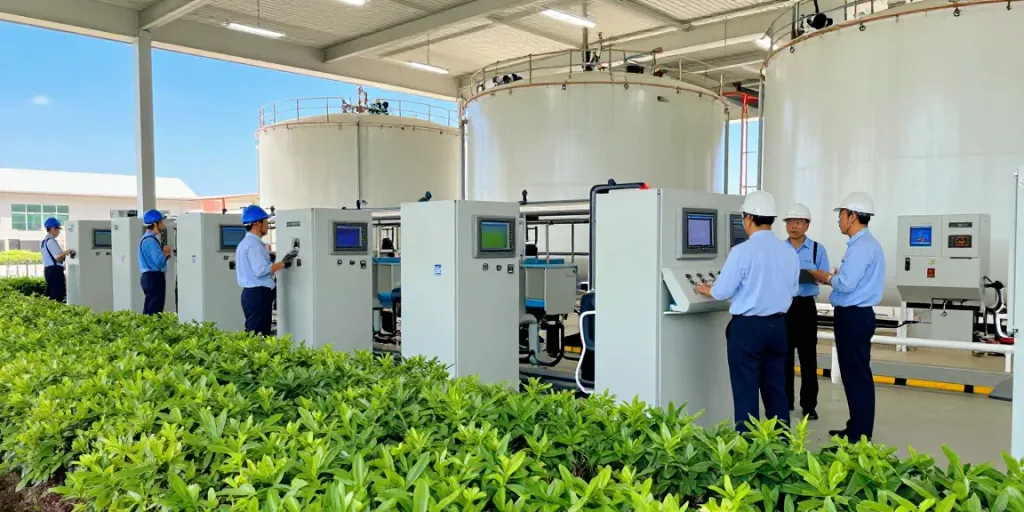
Water treatment systems typically consist of several key components, each serving a specific function:
- Pre-treatment Units: These units are responsible for removing larger particulates and contaminants from the water source before it undergoes further treatment.
- Filtration Systems: Various filtration methods, including membrane filtration, granular media, and UV filtration, help eliminate remaining impurities.
- Disinfection Equipment: Technologies such as chlorination, ozone treatment, and UV disinfection ensure that pathogens are effectively eliminated to provide safe water.
- Post-treatment Controls: Monitoring and control systems are crucial for maintaining water quality and ensuring compliance with health standards.
The Role of a Water Treatment System Manufacturer
A water treatment system manufacturer is responsible for the design, engineering, construction, and deployment of these complex systems. They must have in-depth knowledge of chemical processes, environmental regulations, and emerging technologies to provide effective, compliant, and sustainable solutions. Manufacturers like QILEE leverage over two decades of experience to offer customizable systems tailored to various industries, ensuring they meet specific regulatory requirements and operational needs.
Core Applications of Integrated Water Treatment Systems
Integrated water treatment systems address a multitude of applications across various sectors. By categorizing these applications, we can understand the versatility and importance of modern water solutions:
Pure and Drinking Water Treatment Applications
Providing safe and potable water is an urgent global need. Advanced technologies enable the effective treatment of surface and groundwater, ensuring compliance with health standards. QILEE's systems utilize cutting-edge purification methods, including reverse osmosis and advanced oxidation processes, to deliver high-quality drinking water.
Industrial Wastewater Challenges Addressed
Industries often face significant challenges in managing high-difficulty wastewater due to complex contaminants. Integrated systems from QILEE are designed to treat various industrial effluents efficiently, ensuring that treated water meets environmental standards for discharge or reuse.
Municipal Sewage Treatment Solutions
Municipalities require robust systems for treating sewage and wastewater to protect public health and the environment. QILEE's municipal sewage treatment systems are engineered for scalability, ensuring they can handle varying flow rates while maintaining compliance with local regulations.
Advantages of Containerized Water Treatment Systems
Containerized water treatment systems have gained popularity due to their numerous advantages, particularly in terms of deployment and operational flexibility.
Rapid Deployment and Flexibility
Containerized solutions can be rapidly deployed in various settings, from urban environments to remote locations. This adaptability is particularly beneficial for emergency situations, such as natural disasters, where immediate access to clean water is critical.
Cost-Effectiveness of Containerized Solutions
By choosing containerized water treatment systems, organizations can significantly reduce installation and operational costs. These systems are modular, allowing for easy expansion as demand grows or conditions change.
Case Studies: Success Stories in Diverse Environments
QILEE has successfully implemented containerized systems in various settings, including:
- Disaster Relief Efforts: Following natural disasters, containerized systems were deployed to restore clean water supply in affected areas.
- Remote Mining Operations: Containerized units provided a reliable water source for mining operations located in challenging geographical areas.
- Rural Communities: In decentralized applications, containerized systems have facilitated access to clean drinking water in off-grid communities.
Best Practices for Selecting a Manufacturer
Choosing the right water treatment system manufacturer is crucial for ensuring successful project outcomes. Here are best practices to consider:
Evaluating Manufacturer Experience and Reputation
When selecting a manufacturer, assess their track record and expertise. Look for case studies, customer testimonials, and industry certifications that demonstrate their capability to handle your specific water treatment needs.
Assessing Compliance and Standards
Ensure that the manufacturer adheres to local and international regulations. Compliance with environmental standards is not just crucial for project approval but also for the sustainability of your water management strategy.
Understanding Customer Support and Services Offered
Evaluate the level of customer support provided by the manufacturer. Services such as training, maintenance, and troubleshooting are essential for the long-term success of your water treatment systems.
Future Trends in Water Treatment Technology
The water treatment industry is evolving rapidly. Understanding these trends can help organizations prepare for the future.
Emerging Technologies for 2026 and Beyond
Innovative technologies, such as smart water management systems and AI-driven analytics, are set to play a significant role in enhancing water treatment processes. These technologies offer real-time monitoring and data-driven decision-making capabilities.
Sustainability and Environmental Considerations
With the growing focus on sustainability, water treatment solutions will increasingly incorporate renewable energy sources and eco-friendly materials, contributing to reduced carbon footprints and environmental impact.
Innovative Solutions to Global Water Challenges
As global water scarcity issues intensify, innovative approaches, including desalination and water reuse technologies, will become more prevalent. Manufacturers like QILEE are already pioneering these solutions to address such challenges effectively.
Who makes the best water treatment system?
While there are numerous manufacturers in the industry, the choice often depends on specific needs and application contexts. Leading companies are those with a strong proven track record and that adhere to high-quality standards.
Who are the largest water treatment companies?
Some of the largest companies in the water treatment sector include Veolia, SUEZ, and Xylem. These companies have established themselves as leaders through innovation, comprehensive services, and global reach.
What are the top 5 water treatment companies in the world?
According to industry analyses, notable players often listed in rankings include Veolia, SUEZ, Xylem, Aquatech, and Ecolab. These organizations are recognized for their technological advancements and strong market presence.
What are some major water treatment companies in the USA?
Prominent water treatment companies in the USA include A.O. Smith, Culligan, and Pentair. These companies provide a wide range of treatment solutions to both residential and commercial markets.
How can containerized solutions improve water quality?
Containerized solutions leverage advanced technologies, enabling precise control over the treatment processes, which significantly enhances the quality of treated water while allowing for scalable deployment across various environments.